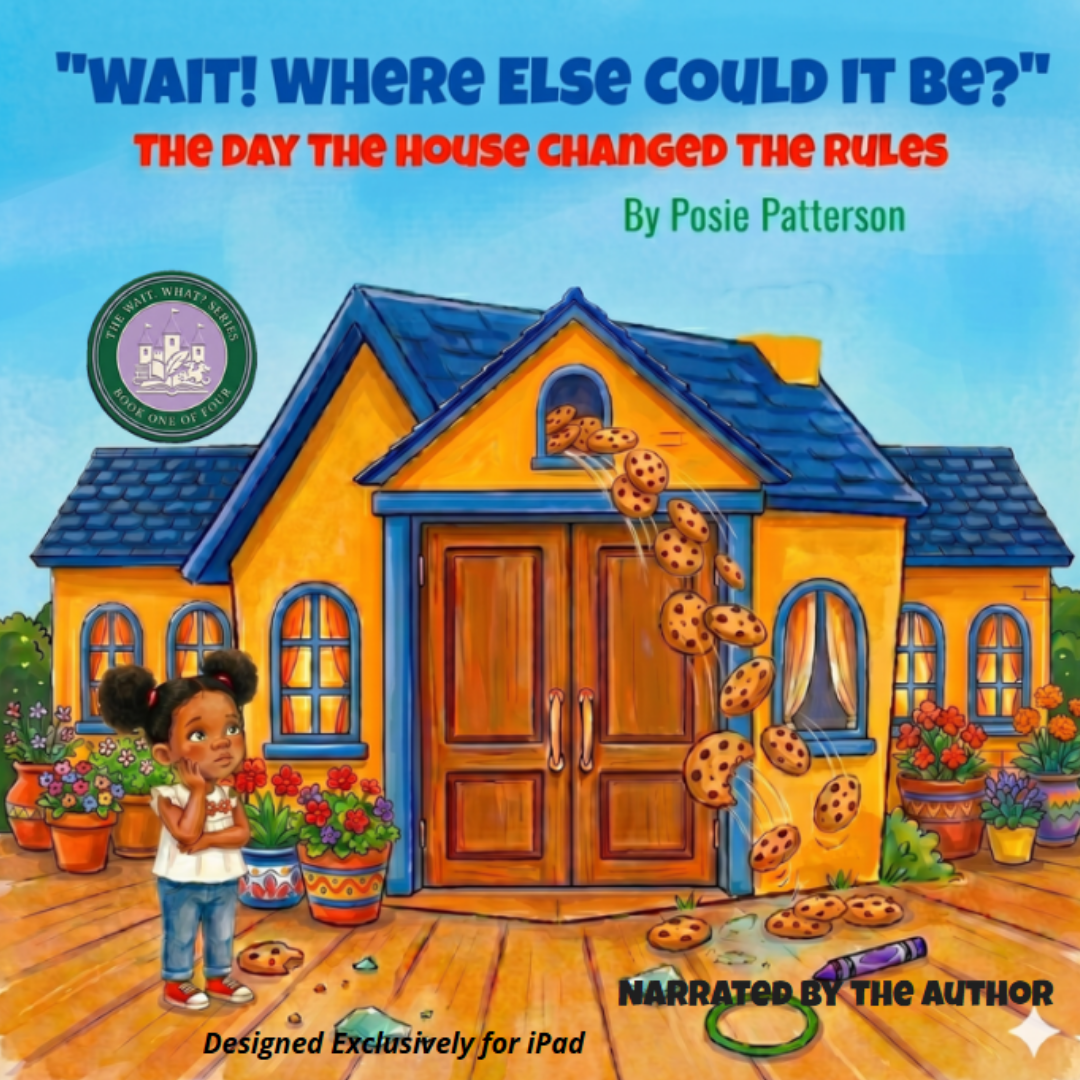

Wait! What? Series
Book One
Is Vivie’s house playing tricks, or is it all just her imagination? Vivie wants to draw a colorful picture of spaceships and monsters—but her crayons are missing! In this interactive tap-and-play adventure, everyday containers are mixed up in the silliest ways. Crayons are hiding in the sticker box, yummy cookies are in the dog treat jar, and toys are resting in the trash bin! Ages 4-5/$8.99 USD
A Theory of Mind (ToM) & Social-Emotional Learning (SEL) Selection
Coming July 2026
The Case of the Mis-Identified Flying Objects (MIFO)
Book Three
What Did You See? What Did You Hear?


Claire knows exactly what makes a perfect lunch. A delicious peanut butter and jelly sandwich, of course! So when she meets her new friend Pip-Pip, she just knows he’ll love them too. But Pip-Pip is a little monster with some very... interesting tastes. Dirt Jam on a hot dog bun, anyone? In this silly, interactive guessing-game book, young readers are invited to tap, choose, and predict what happens next. But watch out! You might just find out that what’s "yummy" to you is totally "yuck" to someone else—and that’s exactly what makes friendship so much fun! Ages 4-5/$8.99 USD
A Theory of Mind (ToM) & Social-Emotional Learning (SEL) Selection
Coming August 2026
Book Four: Knowledge Access (untitled)
Book Two
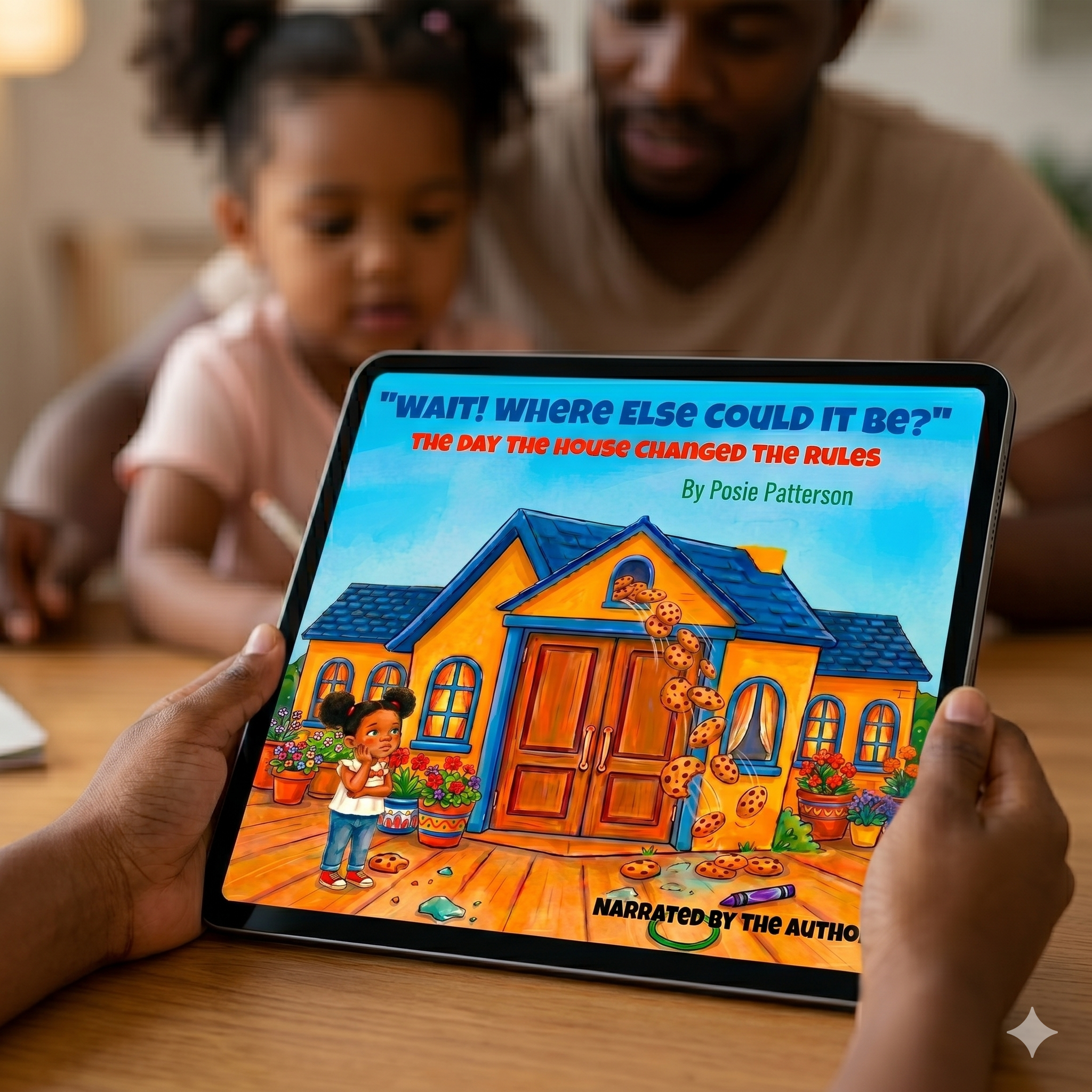
Why Parents and Educators Will Love It:
Specifically Designed for Theory of Mind Development: Wait! Where Else Could It Be? is intentionally structured around proven educator techniques that actively train and reinforce this crucial milestone through interactive storytelling.
Core Social-Emotional Learning (SEL) Alignment: By navigating the mystery, young readers practice self-regulation, learn to manage the emotional vulnerability of "not knowing," and build cognitive empathy by analyzing the characters' perspectives.
Evidence-Based Active Engagement: It prompts educators and practitioners to use open-ended questioning, helping children map out mental states, predict behaviors, and understand false beliefs in a playful, low-stakes environment.
A Targeted Practitioner & Classroom Resource: Crafted specifically for Pre-K, Kindergarten, and early childhood development spaces, this story serves as a practical, engaging intervention tool for speech-language pathologists, behavior analysts, and educators.
The Heart Behind Our Theory of Mind Series
We understand that children do not grow inside strict age containers. Every child develops at their own beautiful pace. Because milestones aren't one-size-fits-all, these interactive stories adapt to your child. They act as a fun, stress-free tool to see which social skills your child has already mastered and a gentle, engaging springboard for those they are developing right now.
Where Every Story is a Seed: The Heart Behind Our Theory of Mind Series
As the founder and publisher of Pixel and Parchment Books, I wanted to do a story about bullying. But where to start with such a serious and emotional issue? My passion for addressing bullying isn’t just professional; it is deeply personal.
I know the profound, lasting damage bullying does to a child because I lived it. I am the survivor of daily, prolonged abuse at the hands of an older sibling that lasted for well over a decade. It stripped away my sense of safety in my own home. While my experience was extreme, any encounter with bullying is devastating—not just for the victim, but for those who bear witness to it.
I am just getting started with the subject of bullying. But to stop it, we must go back to the very beginning.
We know that a lack of empathy, perspective-taking, and cognitive flexibility directly cripples a child’s ability to navigate society successfully. When children lack these tools, they become frustrated, isolated, and misunderstood. For some, a dangerous shift happens: they discover that bullying provides a powerful, dysfunctional rush of endorphins that makes them feel good. By the age of seven, if these behavioral pathways aren't corrected, the brain begins to rewire itself like Pavlov’s dog—conditioning a child to choose aggression because it literally feels good.
It is never too soon to intervene. If we want children to make positive, conscious cognitive choices rather than destructive reactive ones, we must give them the foundational skills they need before social complexities overwhelm them. This is where our new series begins.
Kathy
Founder/Publisher Pixel and Parchment Books